Environmental Conditions That Can Accelerate The Onset of Rust on Steel Bars In Concrete
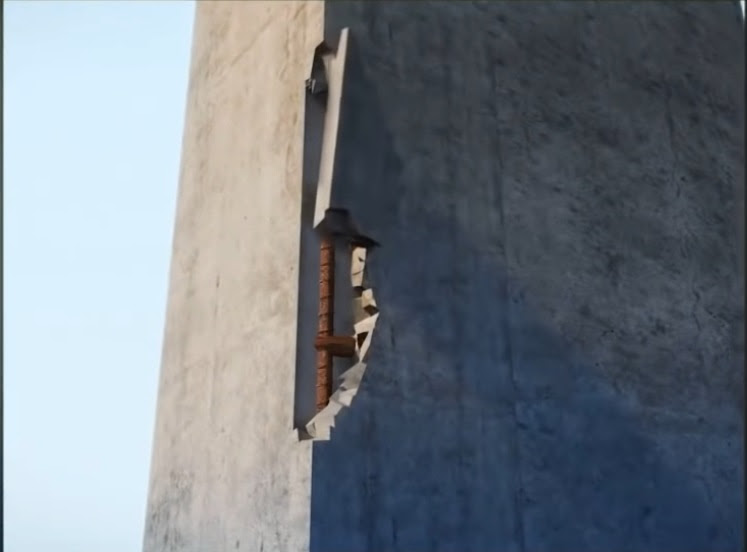
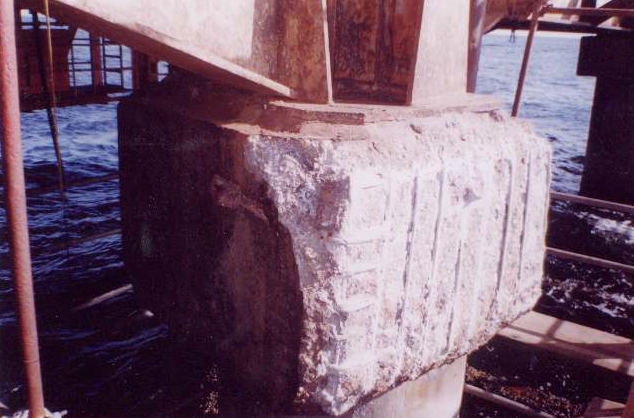
Chlorides:
Chloride ions can penetrate the passive oxide film on the reinforcement. They combine with iron ions to form a soluble iron chloride that carries the iron into the concrete for later oxidation (rust). Once chlorides reach a level of about 0.15% (water soluble chloride by mass of cement) in the concrete, corrosion starts. Concrete can be exposed to chlorides from several different sources, including chloride containing set accelerators, deicing salts, seawater, and airborne salts.
Carbonation:
Carbonation is the process by which carbon dioxide in the air reacts with hydroxides in the concrete such as calcium hydroxide, to form carbonates. This reaction significantly lowers the pH. When the pH of concrete surrounding embedded reinforcing steel drops below 12, the protective oxide layer is lost, and the corrosion process begins.
Acid Rain/Industrial Pollutants:
Acids attack concrete by dissolving the cement paste and calcareous aggregates. They also reduce the pH of the concrete, allowing the corrosion process to begin. Pollutants such as sulfate attack the concrete by reacting with hydrated compounds in the hardened cement paste. These reactions can lead to disintegration of the concrete, making embedded reinforcement more susceptible to corrosive attack
Copyright 2021 Kiluan Bangun Selaras.